.svg)

Growth hormone plays an important role in many processes throughout the body, including metabolism, tissue repair, muscle maintenance, and overall vitality. As individuals age, natural growth hormone production may decline, which can contribute to changes in energy levels, body composition, and recovery.
In response to these changes, many patients explore therapies designed to support growth hormone activity. Two commonly discussed approaches include Ipamorelin peptide therapy and HGH therapy. While both options are connected to growth hormone support, they work in different ways and may be recommended for different health goals.
At TransformYou, our approach to hormone optimization therapy focuses on personalized care and medically guided treatment. Understanding the differences between Ipamorelin vs HGH therapy can help patients make informed decisions about which option may align with their wellness objectives.
What Is Ipamorelin
Ipamorelin is a peptide that is studied for its ability to support the body’s natural growth hormone signaling. Peptides are short chains of amino acids that act as communication molecules within the body, helping regulate various biological functions.
The Ipamorelin peptide is commonly associated with growth hormone stimulation. Rather than replacing growth hormone directly, it is believed to signal the body to release its own natural growth hormone through the pituitary gland. This process allows the body to maintain its natural regulatory mechanisms while encouraging hormone production.
Patients who explore peptide therapy often do so as part of a broader wellness strategy focused on recovery, metabolic health, and overall vitality. Because peptide therapy works through the body’s existing hormone pathways, treatment plans may vary depending on individual health goals and medical history.
Medical supervision is essential when using peptides like Ipamorelin to ensure that therapy is appropriate and aligned with each patient’s overall health profile.
What Is HGH Therapy
HGH therapy refers to the use of synthetic human growth hormone to increase growth hormone levels in the body. Human growth hormone is naturally produced by the pituitary gland and plays an important role in growth, metabolism, and tissue repair.
In some cases, individuals may experience reduced growth hormone levels due to age-related decline or certain medical conditions. HGH therapy introduces growth hormone directly into the body in order to increase circulating hormone levels.
HGH therapy benefits are often discussed in relation to energy levels, body composition, and recovery support. However, treatment is typically recommended only when appropriate medical evaluation confirms the need for hormone support.
Because HGH therapy directly replaces or supplements natural hormone levels, it requires careful monitoring by experienced healthcare providers. Regular assessments help ensure that treatment remains safe and aligned with the patient’s health goals.
How Ipamorelin and HGH Therapy Work Differently
The key difference between Ipamorelin vs HGH therapy lies in how each approach influences growth hormone activity in the body.
Ipamorelin peptide therapy works by encouraging the body to release its own growth hormone through natural signaling pathways. This means the body’s regulatory systems remain involved in determining when and how much hormone is produced.
HGH therapy, on the other hand, delivers growth hormone directly. Instead of stimulating the body to produce the hormone naturally, it increases hormone levels by introducing an external source of growth hormone.
Because these approaches function differently, they may be recommended for different types of patients and treatment goals. Some individuals prefer therapies that support natural hormone signaling, while others may benefit from direct hormone replacement depending on their medical evaluation.
Understanding these differences helps patients better evaluate peptide therapy vs HGH options in collaboration with their healthcare provider.
Comparing Benefits of Ipamorelin and HGH Therapy
Both therapies are associated with growth hormone support, but they may offer different types of potential benefits depending on how they interact with the body.
Some individuals explore Ipamorelin peptide therapy as part of a broader wellness program focused on supporting the body’s natural hormone rhythms. Growth hormone stimulation through peptides may be associated with areas such as recovery support, metabolic balance, and overall vitality.
HGH therapy benefits are often discussed in the context of restoring growth hormone levels when deficiency is present. Direct hormone therapy may influence energy levels, muscle maintenance, and metabolic function in certain individuals.
Because each therapy operates through different mechanisms, the outcomes can vary depending on the patient’s physiology and treatment goals. A comprehensive medical evaluation helps determine which approach may be the most appropriate option.
Rather than focusing solely on hormone levels, many modern wellness programs consider a combination of factors such as lifestyle habits, metabolic health, and long-term wellness objectives.
Safety and Side Effect Considerations
Any therapy designed to influence hormone levels should be approached carefully and under medical supervision. Both peptide therapy and hormone therapy require proper evaluation, dosing strategies, and ongoing monitoring.
Safety considerations for Ipamorelin peptide therapy may involve evaluating how the body responds to growth hormone stimulation. Providers typically monitor patient progress to ensure that therapy remains balanced and aligned with overall health goals.
HGH therapy also requires careful monitoring because it introduces synthetic hormone into the body. Medical supervision helps ensure that hormone levels remain within appropriate ranges and that treatment adjustments can be made if needed.
The most important factor in minimizing risk is working with qualified healthcare professionals who understand hormone optimization therapy and how to tailor treatment plans responsibly.
Which Option May Be Right for You
Choosing between peptide therapy vs HGH often depends on several factors, including health history, current hormone levels, and individual wellness goals. There is no single approach that is appropriate for every patient.
Some individuals may prefer therapies that encourage the body’s natural hormone production through peptides like Ipamorelin. Others may require direct hormone therapy when growth hormone levels are significantly reduced.
A comprehensive evaluation can help determine whether growth hormone support is appropriate and which type of therapy may align best with the patient’s needs. This process often includes reviewing symptoms, evaluating hormone levels, and discussing treatment goals.
Personalized care allows providers to recommend treatment strategies that prioritize both safety and long-term wellness outcomes.
Talk to the Peptide and Hormone Experts in Tempe AZ
Exploring growth hormone support options can feel complex, especially when comparing therapies like Ipamorelin peptide therapy and HGH treatment. Working with experienced medical professionals can help clarify the differences and guide patients toward the most appropriate approach.
At TransformYou, we provide medically guided hormone optimization therapy designed to support each patient’s individual wellness goals. Our team evaluates health history, symptoms, and hormone levels to determine whether peptide therapy, HGH therapy, or another treatment strategy may be beneficial.
Through personalized care and ongoing medical supervision, we help patients make informed decisions about their health and long-term vitality.
Read next in Peptide Therapy

MOTS-C: The Mitochondrial Peptide for Metabolism, Energy and Healthy Aging
By Dr. Robb Bird
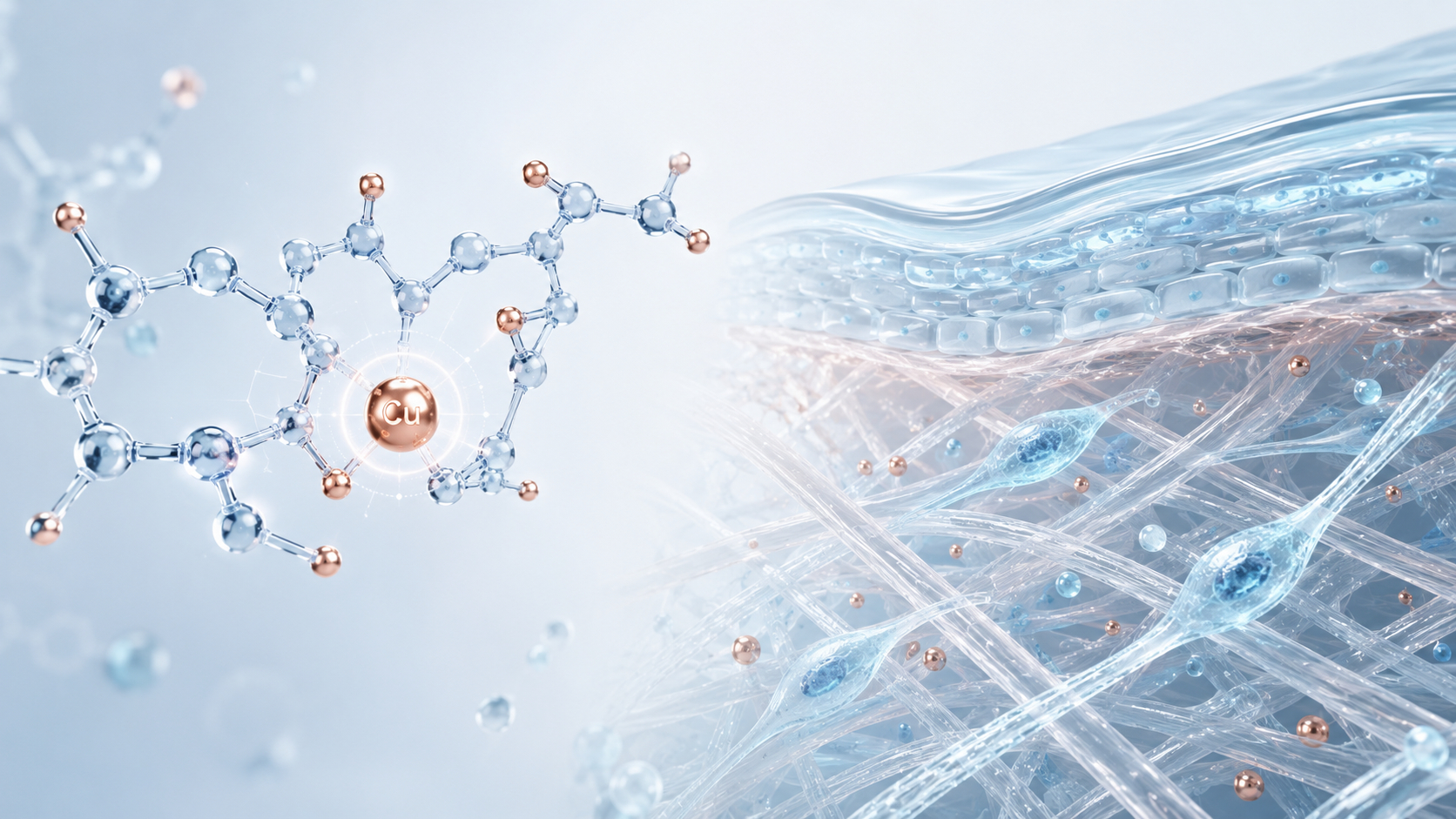
GHK-Cu Copper Peptide Research: Collagen Formation, Tissue Repair, and Skin Regeneration
By Dr. Robb Bird

What Results Can You Expect From Thymosin Alpha-1
By Dr. Robb Bird

Written by
Dr. Robb Bird
Medically reviewed by Dr. Robb Bird, NMD FAARM
Medical Director, Transformyou