
A Functional Medicine Perspective on HMB Supplements for Muscle Preservation
Key Takeaways:
- HMB is a supplement that helps with muscle preservation, especially during aging, calorie restriction, illness, or recovery.
- It works by reducing muscle protein breakdown through mechanisms like supporting cell membrane integrity and decreasing muscle damage.
- The most supported HMB dose is about 3 grams daily, divided into smaller doses for optimal results.
- Combining HMB with resistance training, adequate protein intake, and quality sleep can maximize long-term muscle health benefits.
When most people think about building muscle, they think of protein, creatine, or lifting weights. While all of those are essential, there is another supplement that has quietly accumulated decades of research: β-Hydroxy β-Methylbutyrate (HMB).
At TransformYou, one of the questions we hear frequently about using HMB for muscle preservation and growth is:
"If I'm losing weight, getting older, or using a GLP-1 medication, can taking HMB vs. creatine help me preserve muscle?"
The short answer is yes—but with some important caveats.
The science suggests that HMB is better at preserving muscle than building it, making it especially interesting for adults over 40, patients on medical weight loss programs, and anyone recovering from illness or injury.
Let's take a closer look at what HMB is, where it fits into an evidence-based muscle preservation strategy, and who may benefit most from it.
What Is HMB?
HMB (beta-hydroxy beta-methylbutyrate) is a naturally occurring compound produced when your body metabolizes the essential amino acid leucine, one of the primary amino acids responsible for stimulating muscle protein synthesis.
Only about 5% of dietary leucine is converted into HMB, meaning you would need to consume an impractical amount of protein to obtain the doses commonly used in clinical studies.
Unlike leucine, which primarily stimulates new muscle protein synthesis, HMB appears to work by reducing muscle protein breakdown, making it particularly valuable during periods of physiological stress.
How Do HMB Supplements Work?
To fully grasp how HMB supports muscle preservation, we must first understand the ongoing processes that regulate muscle mass in the body.
Muscle mass is constantly balancing between two processes:
- Muscle protein synthesis (building)
- Muscle protein breakdown (losing)
As we age, or during calorie restriction, illness, inactivity, surgery, or intense training, muscle breakdown often exceeds muscle building.
Research suggests HMB may help by:
- Enhancing recovery after training
- Supporting muscle cell membrane integrity
- Decreasing exercise-induced muscle damage
- Helping maintain lean body mass during catabolic states
- Reducing activation of the ubiquitin-proteasome pathway responsible for muscle degradation
Rather than acting like an anabolic steroid or testosterone, HMB supports muscle preservation by creating an environment where muscle is less likely to be lost.
Who Benefits Most from HMB Supplements?
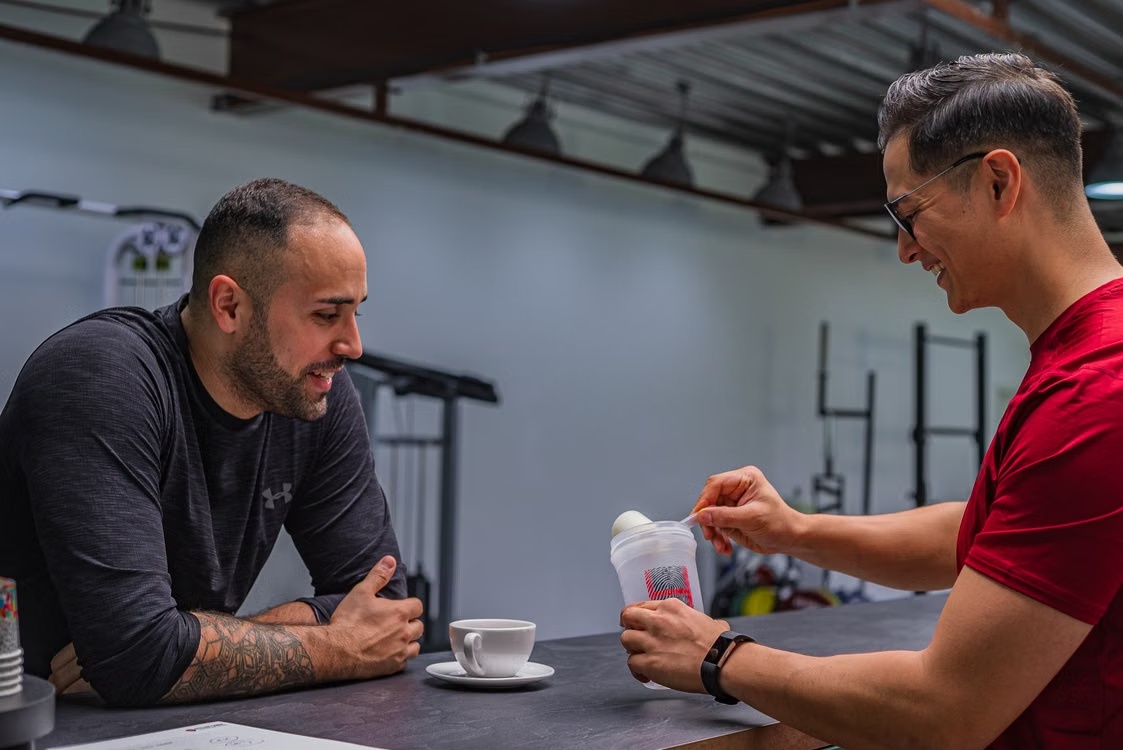
The evidence for taking HMB vs. creatine is strongest in situations where muscle loss is likely to occur. Here are some of these situations.
Older Adults
Beginning around age 30, adults gradually lose muscle mass each decade in a process known as sarcopenia. After age 60, this decline accelerates.
Several systematic reviews have found that HMB may help with muscle preservation and modestly improve lean body mass in older adults, particularly when combined with resistance training and adequate protein intake.
During Weight Loss
One of the biggest concerns with weight loss is that 20–30% of the weight lost may come from lean tissue if protein intake and resistance training are inadequate.
This has become especially relevant with GLP-1 medications such as:
- Semaglutide (Ozempic®, Wegovy®)
- Tirzepatide (Zepbound®, Mounjaro®)
Although these medications are excellent for reducing body fat, preserving muscle is critical for:
- Preventing frailty
- Maintaining metabolic rate
- Preserving strength and mobility
- Supporting long-term weight maintenance
While HMB supplements are not a substitute for exercise or adequate protein, they may provide an additional layer of protection during calorie restriction.
During Illness, Surgery, or Bed Rest
Periods of inactivity can result in surprisingly rapid muscle loss.
Research suggests HMB may help with muscle preservation and reduce atrophy during:
- Hospitalization
- Injury rehabilitation
- Prolonged bed rest
- Recovery from surgery
This is one of the settings where HMB's anti-catabolic effects appear to be most clinically meaningful.
New Resistance Training Programs
Individuals just beginning resistance training often experience greater muscle damage and soreness.
Several studies suggest HMB may reduce markers of muscle damage and improve recovery during the early phases of training.
Does HMB Build Muscle?
This is where marketing often gets ahead of the science.
The best evidence suggests:
HMB is much better at preserving existing muscle than at dramatically increasing new muscle growth.
If your goal is maximum muscle hypertrophy, HMB supplements are unlikely to outperform:
- Creatine
- Adequate calories
- High-quality protein
- Progressive resistance training
Instead, take HMB to help with the preservation of muscles you've already worked hard to build.
HMB vs. Creatine
This is one of the most common comparisons patients ask about.
|
Creatine |
HMB |
|
|
If you could choose only one supplement for a healthy individual trying to gain muscle, creatine would generally be the better choice.
However, they work through different mechanisms and are not competitors.
Many clinicians recommend taking creatine and HMB together for patients focused on healthy aging or muscle preservation while losing fat.
HMB vs. Leucine
Since HMB supplements come from leucine, many people wonder whether taking extra leucine provides the same benefits.
Not exactly.
- Leucine primarily turns on muscle protein synthesis.
Think of leucine as pressing the "build muscle" button.
- HMB primarily reduces muscle protein breakdown.
Think of HMB as slowing the "lose muscle" process.
Both have value, but they work differently.
HMB vs. Essential Amino Acids (EAAs)
Essential amino acids provide the actual building blocks needed to create new muscle tissue.
For maximizing muscle growth:
Protein → EAAs → Leucine generally have stronger evidence than HMB alone.
However, HMB may complement these strategies by aiding muscle preservation and reducing muscle breakdown during periods of stress.
Is HMB Worth Taking During a Weight Loss Program?

This may actually be HMB's best use vs. creatine.
Patients in the following situations all have an increased risk of losing lean muscle:
- Over age 40
- Losing weight
- Exercising intensely
- Eating fewer calories
- Taking GLP-1 medications
While resistance training and protein remain the foundation, HMB supplements may provide additional protection against excessive muscle loss.
What Is the Best Dose of HMB for Muscle Preservation?
Most clinical trials have used 3 grams per day.
This dose is typically divided into one of the following schedules:
- 1 gram three times daily
- One 3-gram daily serving, depending on the product
Both calcium HMB and free-acid HMB formulations appear effective.
What Matters More Than HMB?
Although HMB has supportive evidence, no supplement can replace the fundamentals. The biggest drivers of preserving muscle are:
1. Resistance Training
Nothing preserves muscle better than consistently challenging it.
2. Adequate Protein
Most active adults benefit from approximately 0.7–1.0 grams of protein per pound of body weight per day, regardless of whether they are taking HMB for muscle preservation or not.
3. Creatine
Creatine is one of the most thoroughly researched supplements available for improving strength, power, and lean body mass.
4. Sleep
Muscle recovery occurs outside the gym. Poor sleep reduces muscle protein synthesis and slows recovery, while quality sleep optimizes metabolism and enhances recovery.
5. Adequate Calories
Severe calorie restriction increases muscle breakdown regardless of supplementation.
The Bottom Line
HMB is not a miracle supplement, but it is one of the more scientifically supported options for helping preserve muscle mass during periods of physiological stress.
For healthy young athletes, the benefits of HMB vs. creatine are likely modest.
However, for adults over 40, people trying to lose weight, patients experiencing muscle loss on GLP-1 medications, those recovering from illness or surgery, and anyone concerned about age-related muscle loss, HMB may be a valuable addition to a comprehensive muscle preservation strategy.
Elevate Your Muscle Health With TransformYou
At TransformYou, we view HMB as one tool, not the entire toolbox. We believe the greatest results come from combining resistance training, adequate protein, quality sleep, and evidence-based supplementation tailored to the individual.
That is why we conduct comprehensive health testing to create personalized treatment plans for each patient. With in-person and telemedicine options available, TransformYou is here to guide your journey toward improved muscle health. Contact us today to get started.
Frequently Asked Questions
Does HMB actually work for muscle preservation?
Yes, but its benefits depend on the individual. Research consistently shows HMB supplements are more effective for preserving muscle than for dramatically increasing muscle size. The strongest evidence is in older adults, calorie restriction, and recovery from illness or inactivity.
Is HMB better than creatine?
No. When comparing HMB vs. creatine, creatine has stronger evidence for improving strength, power, and muscle growth. HMB serves a different purpose by helping reduce muscle breakdown. Many people may benefit from using both.
Can I take HMB with creatine?
Yes. They work through different mechanisms and are commonly used together.
Is HMB helpful for muscle preservation in adults over 50?
Yes. This is one of the populations with the strongest supporting evidence, particularly when HMB supplements are combined with regular resistance exercise and sufficient dietary protein.
Does HMB replace protein?
No. HMB is not a protein substitute. Adequate daily protein intake remains essential for maintaining and building muscle.
What dose of HMB should I take?
Most research uses up to 3 grams per day, either divided into three 1-gram doses or taken according to the manufacturer's directions.
How long does it take for HMB to work?
Most studies demonstrating measurable benefits have lasted 8 to 12 weeks, with some suggesting longer durations may produce greater effects.
Is HMB useful for muscle preservation while taking Ozempic®, Wegovy®, or Zepbound®?
Potentially. Although HMB has not been extensively studied specifically in GLP-1 users, preserving muscle during rapid weight loss is important.
Taking HMB vs. creatine, or in combination with this supplement, may complement resistance training and adequate protein intake, which remain the most important strategies.
Can HMB help prevent age-related muscle loss?
Evidence suggests it may help slow muscle loss associated with aging, particularly when combined with resistance training and adequate protein intake. However, HMB should be viewed as an adjunct rather than a replacement for exercise.
Recent meta-analyses have shown mixed results, indicating that while HMB supplements may improve functional measures like grip strength and physical performance in some older adults, they do not consistently increase muscle mass when added to a structured resistance training program.
Is HMB safe to use for muscle preservation?
Current research suggests HMB is generally well tolerated in healthy adults. Clinical trials have demonstrated good safety profiles using up to 3 grams daily, with very few reported adverse effects.
As with any supplement, patients with significant medical conditions, those who are pregnant or breastfeeding, or individuals taking prescription medications should consult their healthcare provider before beginning supplementation.
References
- Wu H, et al. Effect of beta-hydroxy-beta-methylbutyrate supplementation on muscle loss in older adults: A systematic review and meta-analysis. Maturitas.
- García-Alonso A, et al. The Role of HMB Supplementation in Enhancing the Effects of Resistance Training in Older Adults: A Systematic Review and Meta-analysis. Nutrients. 2025.
- Efficacy of HMB supplementation as an adjunct to resistance training in older adults: A comprehensive meta-analysis. Age and Ageing. 2026.
- Oktaviana J, et al. The Effect of β-Hydroxy-β-Methylbutyrate (HMB) on Sarcopenia and Functional Frailty in Older Persons: A Systematic Review.
Read next